3D laser scanning of an administrative building in Novy Urengoy
The task was to scan two floors of a 600 m² administrative building in Novy Urengoy, both inside and outside. The attic and basement were not included. The final deliverables were a registered point cloud and panoramic images.
The interior scanning was relatively straightforward. The only difficulty was working around the employees: sometimes I had to wait, ask people to step away from the scanner, or leave the room while they finished their work.
The exterior scanning was more challenging. During my visit, the temperature in Novy Urengoy dropped to −33 °C. The original plan was to scan the interiors, photograph the façades, create a photogrammetric model, and combine it with the laser-scanning point cloud.
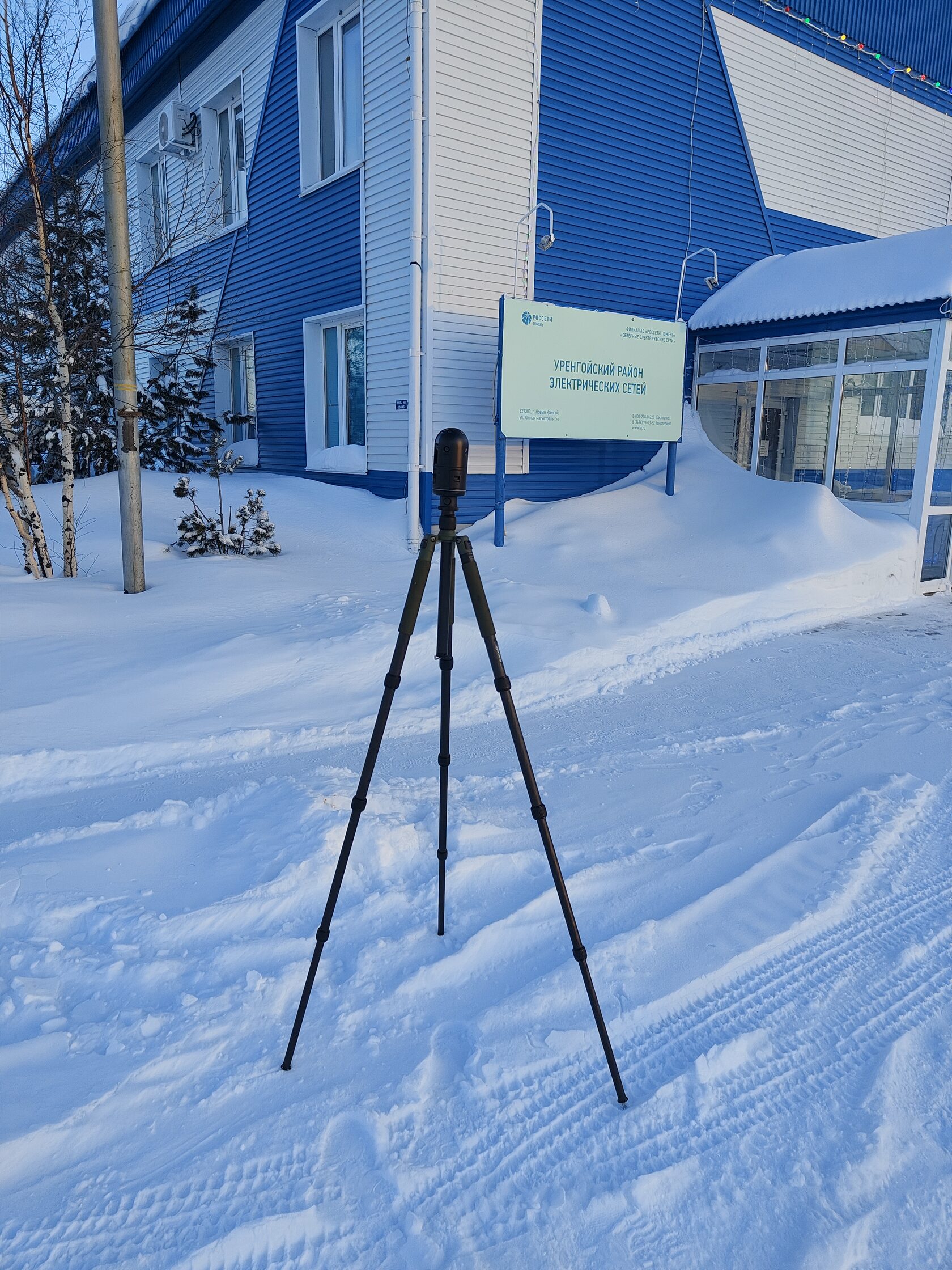
However, I decided to try scanning the façades as well. Before each scan, I cooled the scanner without its battery in an unheated entrance area while keeping the battery warm. I then installed the battery, took the scanner outside, captured one position, and brought it back inside. I repeated this process approximately ten times.
Everything worked, and the scanner continued to operate normally. My main concern was the rotating mechanism in the extreme cold.
The BLK360 G2 is specified for operation from 0 °C to +40 °C, so this was outside the manufacturer’s recommended range and involved a risk of equipment damage and condensation.
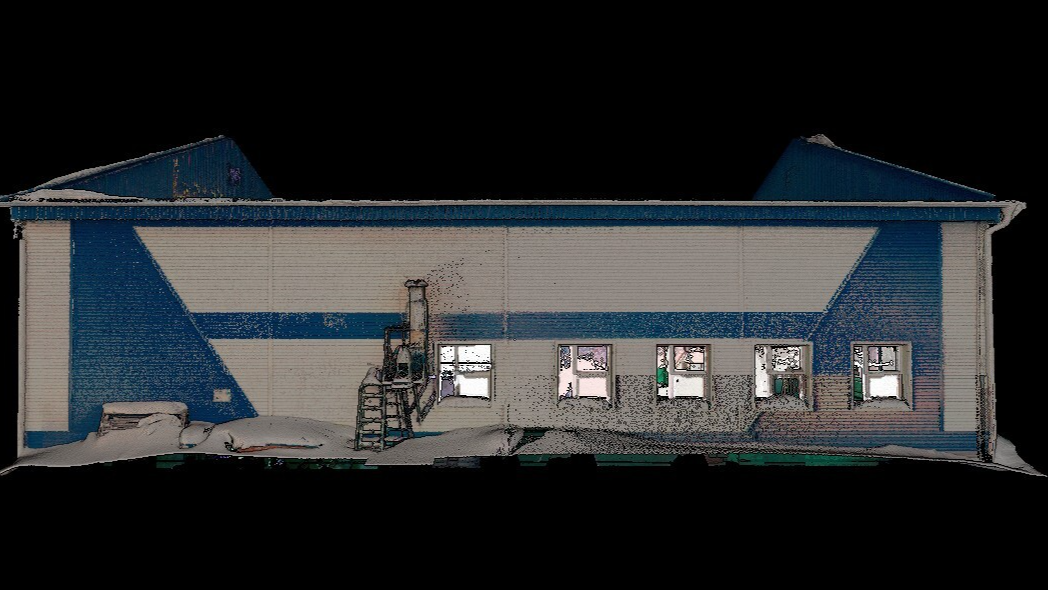
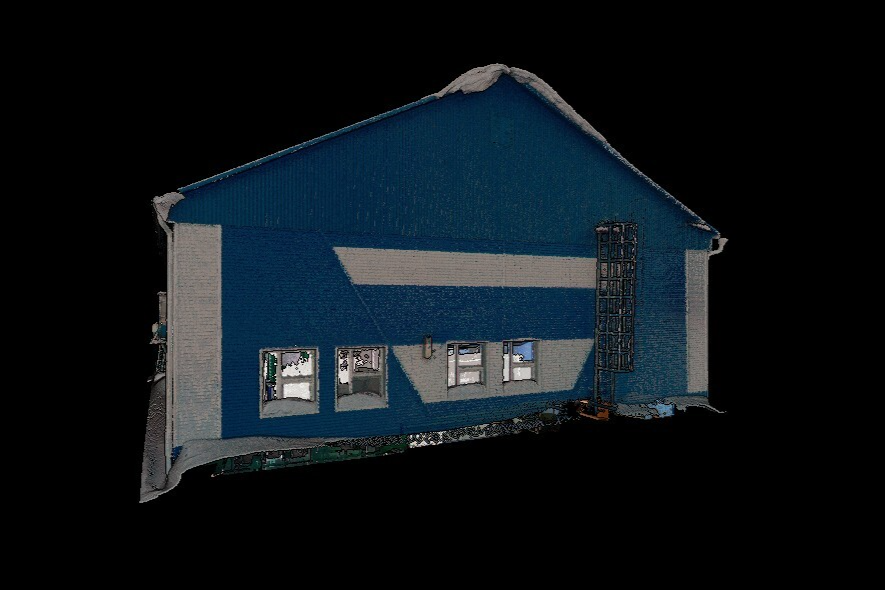
My conclusion: winter laser scanning is possible, but only with careful planning, limited exposure time, and appropriate precautions.
Planning a survey in Montenegro?
Tell us about your property and the files your team needs.
Get a quote