Leica BLK360 G2 review: first impressions — Part 1
I purchased the second-generation Leica BLK360, commonly referred to as the BLK360 G2, and have now had enough time to use it on real-world 3D laser scanning projects. In this first part of the review, I will share my initial impressions of the scanner, its design, and the equipment included with my kit.
I previously worked with the first-generation BLK360, so I will also highlight some of the most noticeable differences between the two models.
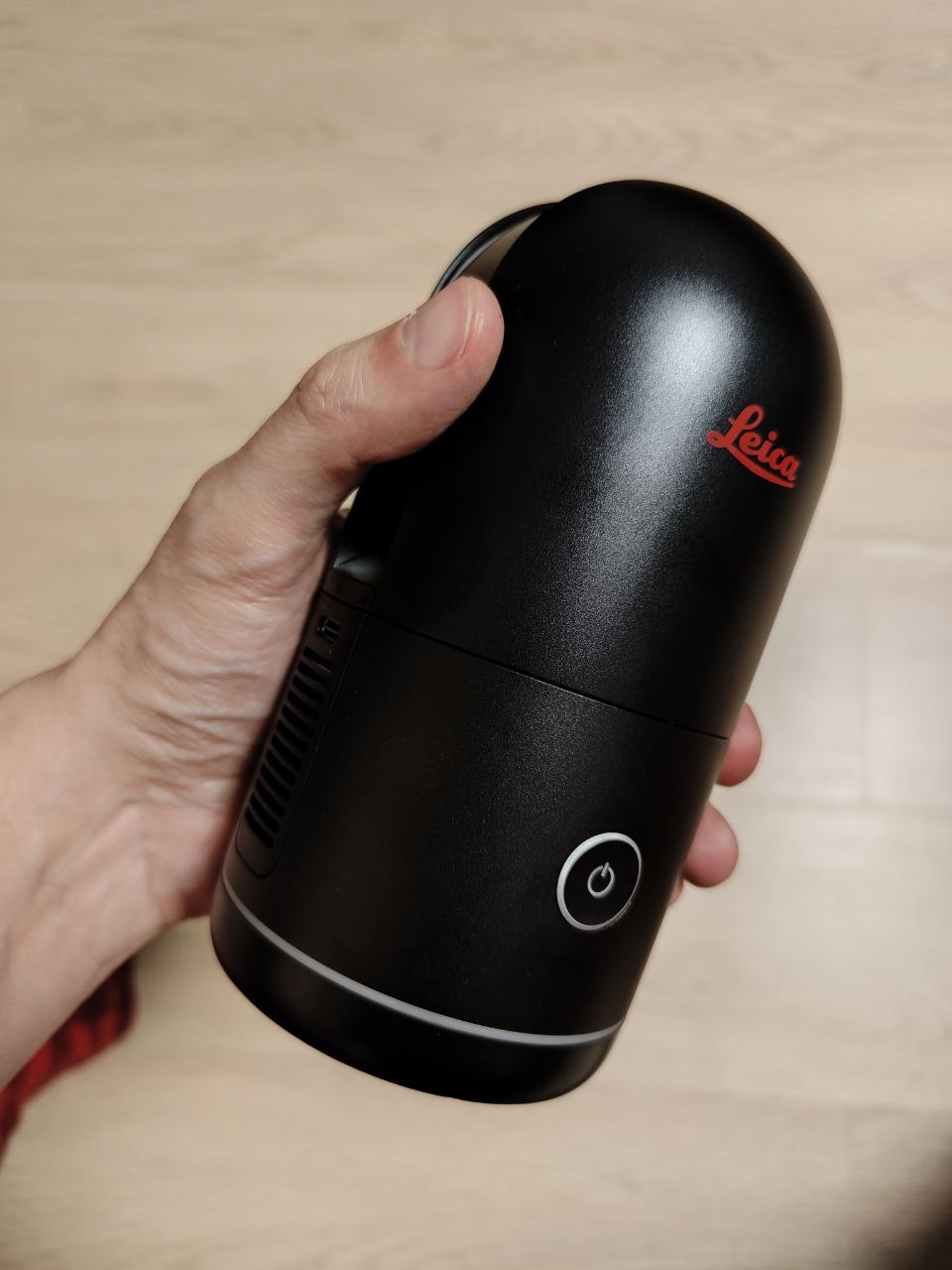
Smaller and lighter design
The first thing you notice is how compact the new scanner is. The BLK360 G2 measures 155 mm in height and 80 mm in diameter, compared with 165 × 100 mm for the original BLK360 G1.
With the battery installed, the G2 weighs approximately 850 g, while the first-generation model weighs around 1 kg. The difference may not seem dramatic on paper, but the smaller body is convenient when transporting the scanner and moving between numerous scan positions. Official Leica BLK360 specifications.
What is inside the scanner?
Despite its compact dimensions, the BLK360 G2 incorporates several important systems.
It has an integrated LiDAR scanning system, four 13-megapixel cameras for HDR spherical imaging, a replaceable battery, USB-C data transfer, and an active cooling system. The cooling fans are clearly audible during operation, unlike the first-generation model, which operated without active fan cooling.
The USB-C connection is a particularly useful improvement because it allows scan data to be transferred directly from the scanner.
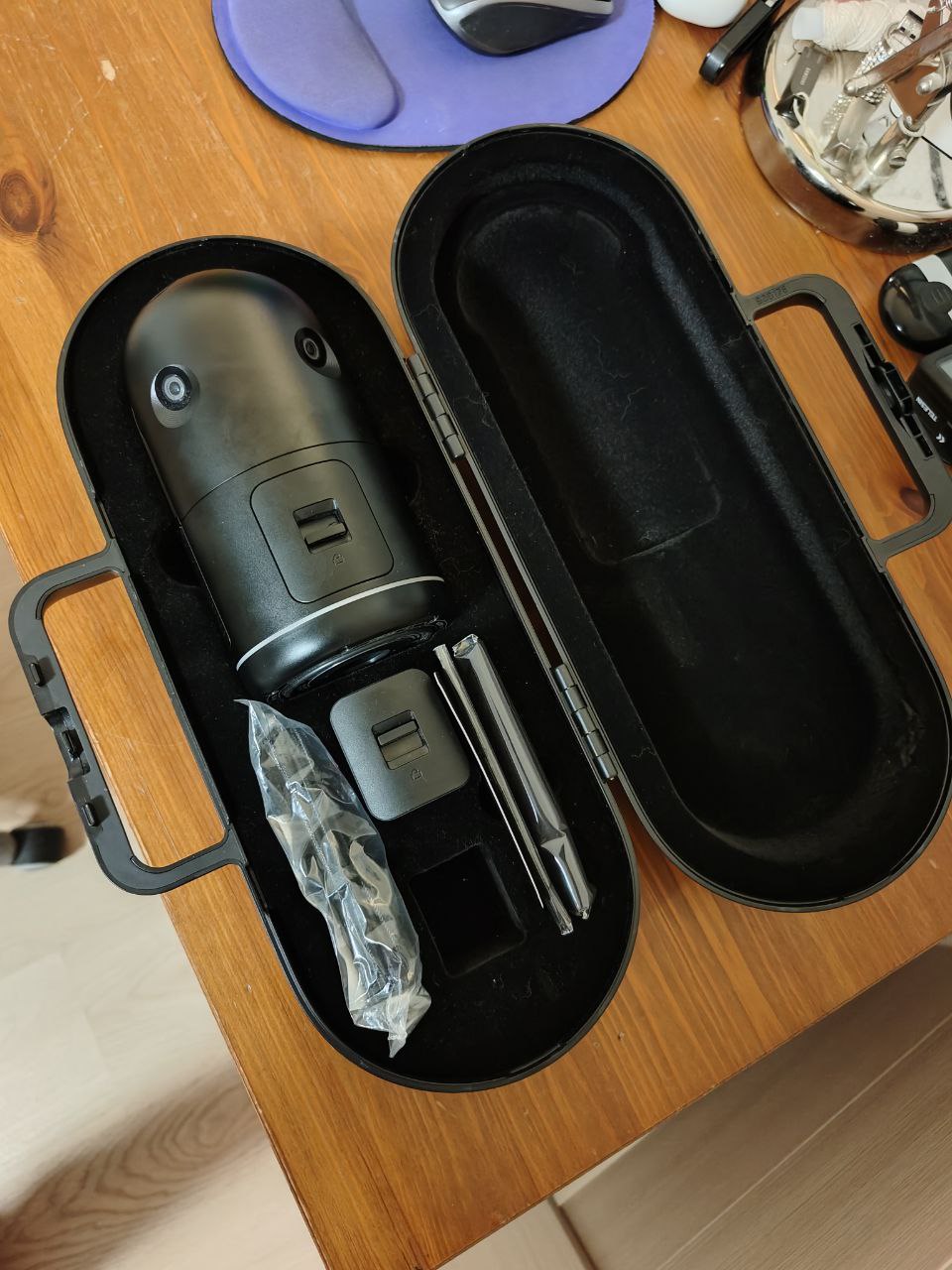
Transport case and accessories
My scanner was supplied in a protective plastic transport case. The case is larger than the one used for the previous model because it also accommodates additional batteries, cables, and accessories.
The batteries now include charge-level indicators, which make it easier to check their status before starting fieldwork.
My kit included three batteries, a charger, a tripod adapter, a USB-C cable, a scanner-cleaning cloth, and power cables for different socket types.
The exact contents of a package may vary depending on the supplier and region, so it is worth checking the equipment list before purchasing.
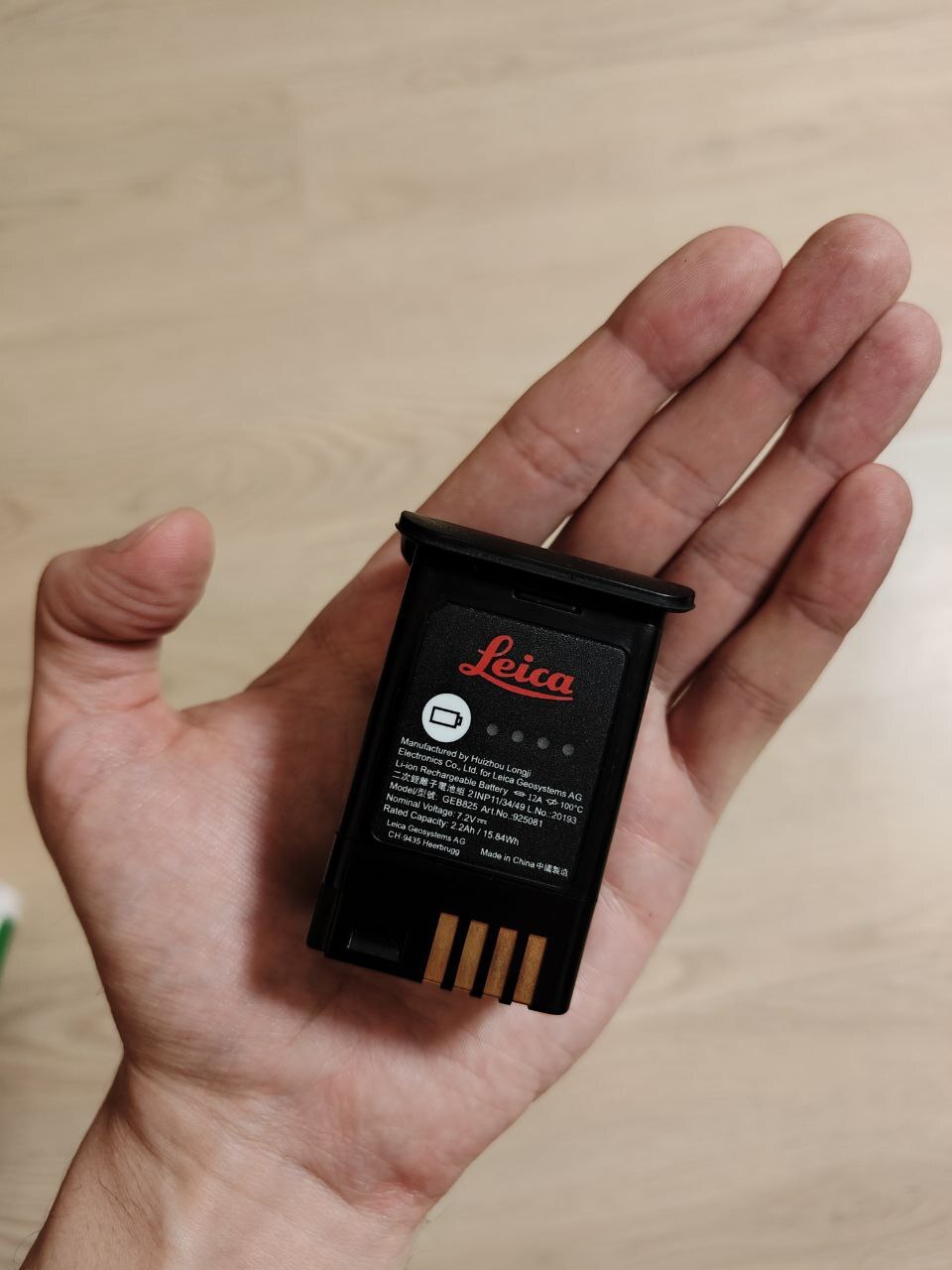
First impressions
My first impression of the Leica BLK360 G2 is positive. It is compact, lightweight, easy to transport, and noticeably more convenient for frequent scanning positions than the first-generation model.
In Part 2, I compare the specifications and practical performance of the BLK360 G1 and G2, including scanning range, point-cloud density, accuracy, imaging, acquisition speed, VIS technology, and battery performance.
Planning a survey in Montenegro?
Tell us about your property and the files your team needs.
Get a quote